Repetition is among the most difficult issues people have to deal with when working with artificial intelligence. The AI assistant may produce an outstanding answer in one instant however, it will lose context during the next interaction. It is a common practice for developers to compensate by providing the same information documents, files, or files in order to maintain a productive conversation.
This strategy is getting less effective as AI becomes more common in software. Intelligent systems have to be able to store pertinent information in a timely manner, access it quickly and recognize the change in information in time. Memory is one of the most critical components of AI architecture today.
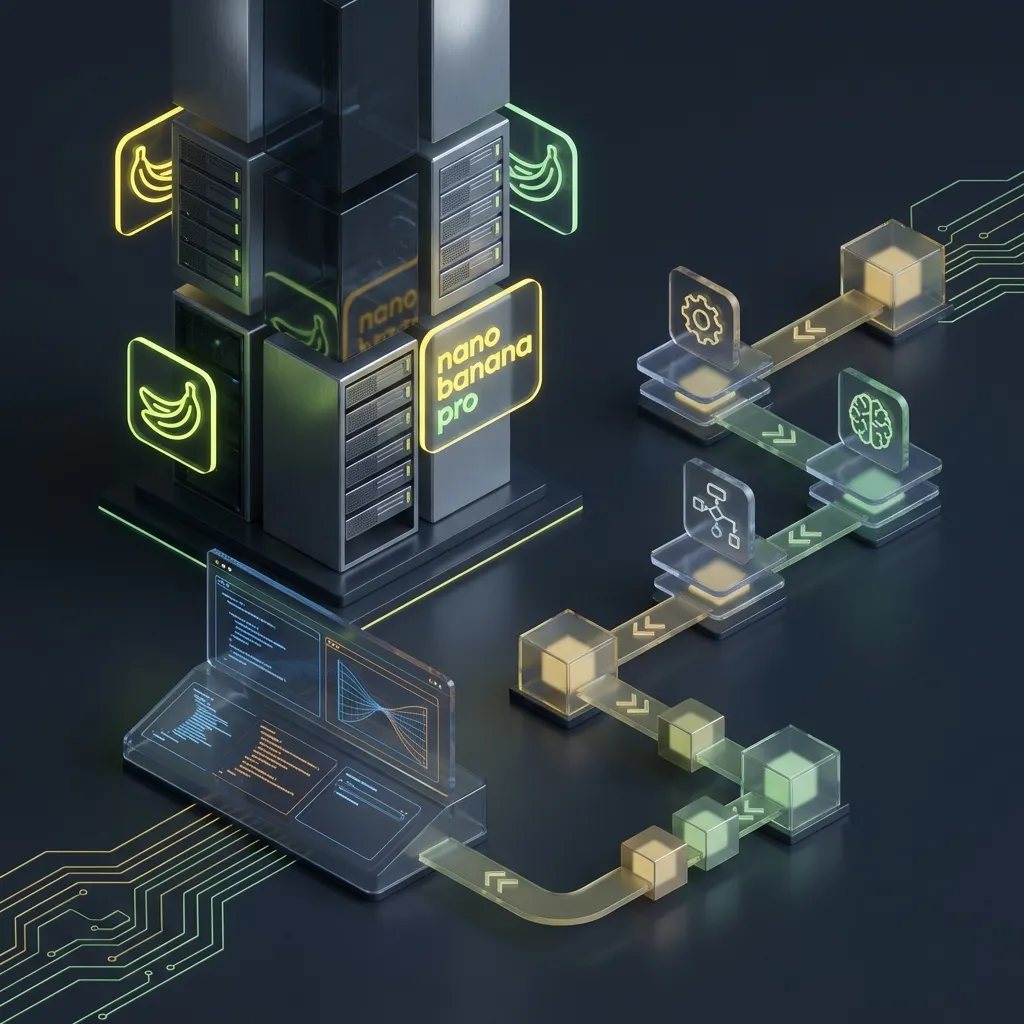
Memory is the key ingredient to AI becoming smart.
AI systems that can recall previous work will behave differently from those which are created from scratch every time. Persistent memory allows applications to understand ongoing projects, recognize regular patterns and offer answers based on past context rather than isolated prompts.
Telys was created to address this issue. Rather than functioning as another cloud service, it operates as an embedded AI agent memory engine that stores and retrieves information directly within the application. This design allows developers to use a reliable way to keep context intact and reduce unnecessary computations. This gives users an AI experience that feels more natural, because it is able to store important information.
Make sure that data is local to improve both speed as well as privacy
Performance is no longer measured solely by the speed at which an AI model creates text. For organizations that are deploying AI, the speed of retrieval, the system’s response and data security are becoming equally important.
By using the on-device storage to store data for AI agents, they are able to retrieve relevant data from servers without having to be constantly in contact with them. Because memory stays within the local device, queries are executed faster and organizations have greater control over sensitive information. This type of architecture is ideal for engineers building internal tools, enterprise applications and privacy sensitive applications, in which data ownership cannot be affected.
Memory that is working behind the scenes can benefit developers
To create intelligent software you shouldn’t need to manage an intricate infrastructure just to store the information. The majority of developers prefer tools that are able to integrate seamlessly into workflows that already exist without adding an additional overhead for operations.
Local MCP Memory Server allows this to be done by providing compatible AI Development Environments to access memory within the local ecosystem. AI assistants no longer need to keep transferring data between remote APIs. Instead, they are able to access the data they require through a local memory layer. This approach is efficient and lowers time to complete while delivering a smoother development experience for teams working on large projects that have evolving codebases and documentation.
AI will only be successful only if it is constructed in a an ongoing context
Artificial intelligence is advancing beyond simple conversations to systems capable of thinking and planning complicated tasks independently. These systems require a stable memory to keep information in all interactions.
Telys is an advanced AI memory system that can provide permanent local retrieval, specially designed for intelligent apps that need speed, reliability, privacy, and security. When combined with on-device memory to support AI agents and a highly-performing local MCP memory server, Telys assists developers in creating software that is able to remember past work, and retrieves knowledge immediately, and continues improving over time.
Ability to think clearly and with precision will be more valuable as AI integrates more deeply into business operations. Telys helps AI developers create AI applications that are quicker more efficient, smarter and more effective by providing long-term context to intelligent systems rather than conversational conversations that are only temporary.