Before anyone could put a Megalodon tooth on a shelf, photograph it, or study its serrated edge, it was performing something else that was far less tranquil. It was one of the biggest predatory sharks to have ever existed in the oceans of Earth. The tooth fell off. It was the end for all objects. For a dinosaur fossil, this can be the beginning of the story.
The fossils from FossilDriven’s collection have been through a geological journey that’s not measured in years or even decades instead, millions of years. Understanding that journey changes the experience of looking at fossils. It’s no longer just looking at an intriguing object. You’re witnessing physical evidence from a long-gone world.
The First Stop: An Ancient Ocean
Megalodon’s teeth are from West Java in Indonesia. At around 20 million years ago the areas of land that we are seeing today were warm marine environments. Megalodons, along with a variety of other marine species, inhabited the seas of prehistoric times.
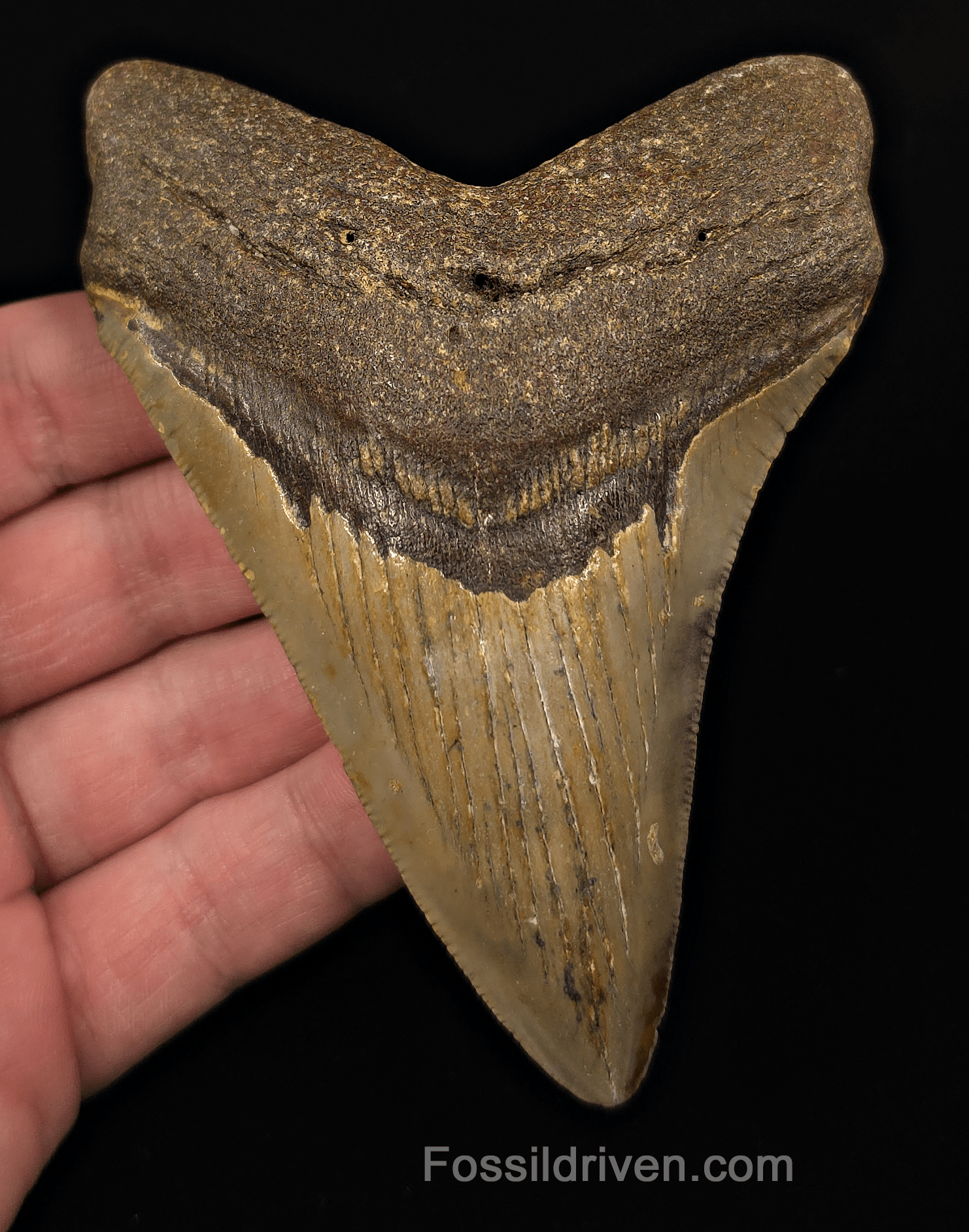
Image credit: fossildriven.com
Megalodon like sharks present, continuously produces and loses teeth. Some of the teeth later settled in sediments from the sea. If conditions are right burial, they could be protected enough time to allow fossilization.
Then Geology Overtook
The next chapter was incredibly slowly. Sediments accumulated. Minerals interacted with buried material. The forces of geology altered landscapes and environments that had once were underwater later became part of the landscape we see today. Those processes help explain something shoppers immediately notice when looking at megalodon teeth for sale: genuine fossil teeth can have dramatically different colors.
Indonesian specimens associated with West Java’s Miocene Bentang Formation may appear tan or gold brown, red, blue or black. They can also display several shades within a single tooth. The minerals surrounding a specimen can influence the hue of a specimen following a long burial. It is impossible to make the results in large amounts by natural methods. Each fossil has an evolution in geology.
Discovery Starts A New Chapter
Finally, a mysterious fossil that is millions of years old is discovered. The identification and documentation of fossils are becoming important.
Collectors who look through genuine megalodon teeth available for sale, they aren’t only evaluating the appearance. That’s why they need to be aware of geological preservation, locality, age and repairs.
Natural wear will not remove the history of a fossil. A worn edge, an imperfect root, or an insufficient serration may be just a small part of what happened to that specimen before and after burial. It is important to accurately reflect the condition of the item.
Fossil Driven has more than 13 years of fossil identification expertise in this process. They also work with established fossil hunters and suppliers. Specifications are reviewed and described and accompanied by relevant information whenever it is possible.
At some point, the Fossil Reaches Someone’s Hands
There are many motives why people purchase fossils. Some collect carefully-categorized collections. Others want to create a striking conversation piece. A child who is fascinated by fossils from the past could receive a the first real fossil that sparks an ongoing interest in paleontology.
Megalodons are only one of many doors that connect us to our world. Trilobites, dinosaur molars, and ammonites are among the many fossils that preserve Earth’s ancient past.
The most satisfying part is knowing That It’s Real
A replica is able to replicate the general shape and size of a tooth from prehistory. The replica can’t recreate its story. A genuine Megalodon tooth was part of an ancient animal, entered an environment completely different from the modern world, survived geological change, was buried for hundreds of years and was later discovered.
This is why that authenticity is crucial. A fossil is an actual reminder of a journey that has been difficult to imagine. The display case is its most recent stop.