A manufacturer gets an enormous contract. The monthly production demands rise, but the facility does not suddenly gain floor space, experienced employees, or hours in the daytime. An increase in production for a short period may be possible, but the addition of a shift could introduce new demands for labor training, supervision, and quality control.
This situation highlights a major need for robotic automation. Robotics does not only replace people with machines. A good application could change the way in which manufacturers make use of their capacity to produce.
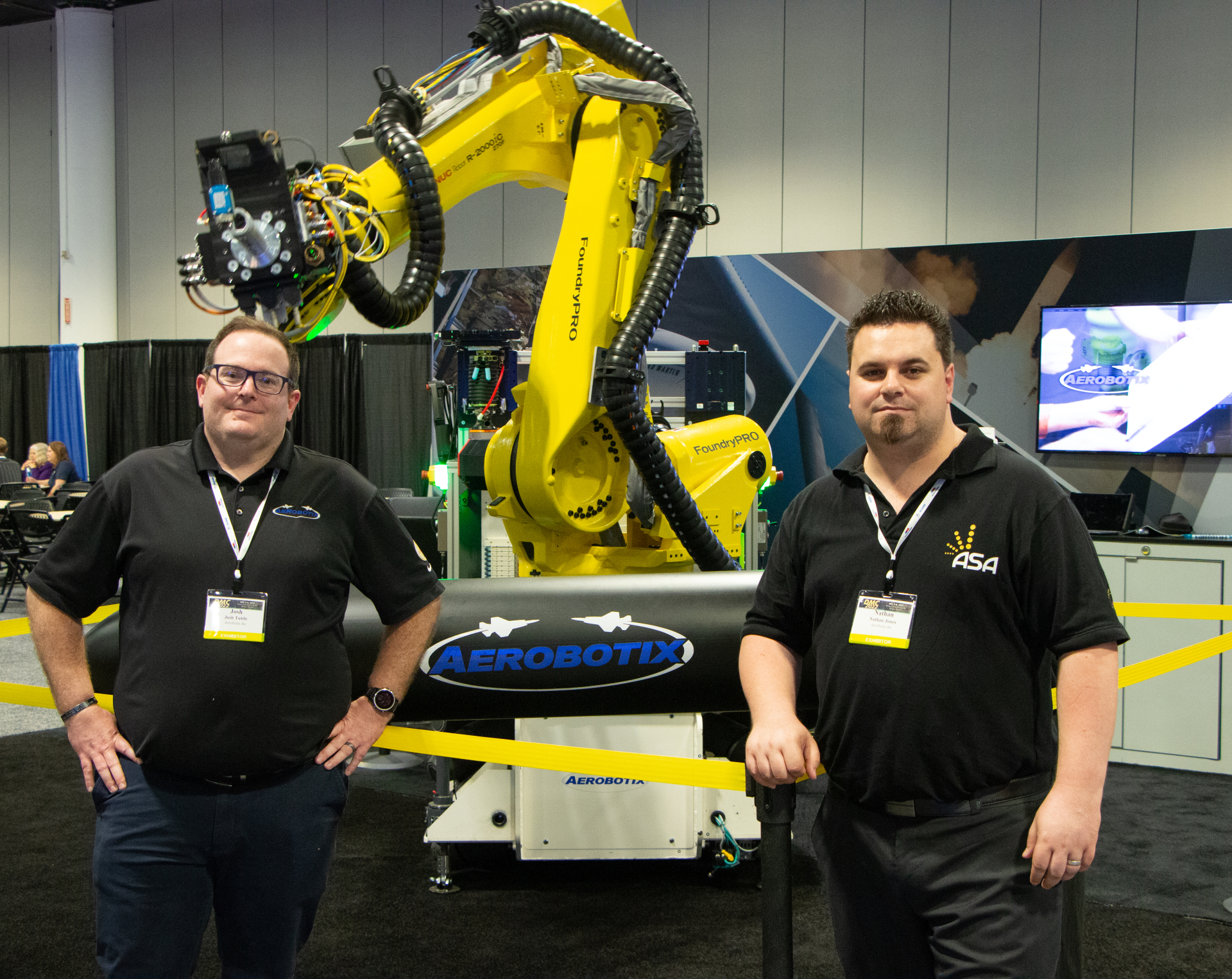
Image credit: automatedsolutions.com.au
Check out the seconds between the products
Manufacturing inefficiency doesn’t have to be dramatic. Imagine an operator spending 15 seconds locating a component, 10 seconds applying the material and several seconds transferring it. With a single component the difference in time is not significant. If repeated a thousand times the seconds could result in significant production delays.
The same is true for wasted material. A small amount of extra coating or dispensing material multiplied over a large-scale production run can result in an expense that is significant.
Companies considering robotic automation Australia projects can benefit from examining these small, repeated losses before deciding what equipment they need. The analysis by ASA’s experts is designed to pinpoint problems with quality and bottlenecks, as along with waste and other constraints in a project.
The robot needs to be able to accommodate the process around it
A robot’s selection is only one decision in engineering. It might be necessary to install tooling, protection and controls, sensors and conveyers, fixtures, electronic integration, and communications with the current production equipment. Engineers should consider reach, payload and how the robot will move and interact with its environment.
ASA offers concept development, system design and offline programming as part of its method of robotic automation. Engineers can explore system configurations and estimate the number of cycles required before the finalized system is placed in the factory floor. That becomes particularly useful when space is limited or if new robotics are required to integrate into an existing production line.
The importance of repeatability when painting and dispensing
Certain manufacturing processes show the importance of controlled movement particularly well. Imagine applying a coating to hundreds of components. It’s not enough to complete each piece in a short time. It’s important to control the speed, distance, and movement of each component from beginning to at the very end.
ASA has experts working on paint and dispensing processes across various industries, including automotive and aerospace. In these areas, industrial robotic automation provides the ability to repeat, programmed, and controlled movements. It also reduces exposure of employees to potentially dangerous processes.
An improved control over the waste material can also contribute to productivity improvements by cutting down on the amount of waste materials used.
Even after the installation, the system still requires users
Automation does not eliminate the need for expertise in manufacturing. It transforms the knowledge needed to manage and maintain the process.
Employees need to know how to safely operate equipment, recognize abnormal behavior, troubleshoot faults, and conduct the necessary maintenance. Production requirements can change in time, meaning that the processes and programs need to be adjusted.
ASA offers training on-site in programming, safety troubleshooting, electrical and mechanical maintenance. The company offers servicing and support for checking the condition of equipment and addressing wear throughout the system’s lifetime.
Capacity refers to more than Being able to work faster
A rise in capacity for Australian manufacturers doesn’t necessarily require the purchase of a larger building or adding more workers to routine processes. Sometimes, the most important thing to consider is whether the current manufacturing process can be designed differently.
ASA has created and integrated automation solutions in Australia since 2002. We also support projects overseas. Its method combines analysis of needs, engineering, simulations, FANUC robotic integration, training, and also servicing.
The objective isn’t automation just for the sake of automation. A system that’s worth the gold it’s worth should offer tangible benefits to an enterprise, including more reliable production, better quality process, more secure processes and less waste.