Park district approves funding for an updated public bathroom. The team behind the project has chosen the site, and the structure appears to be suitable and is now ready to move forward.
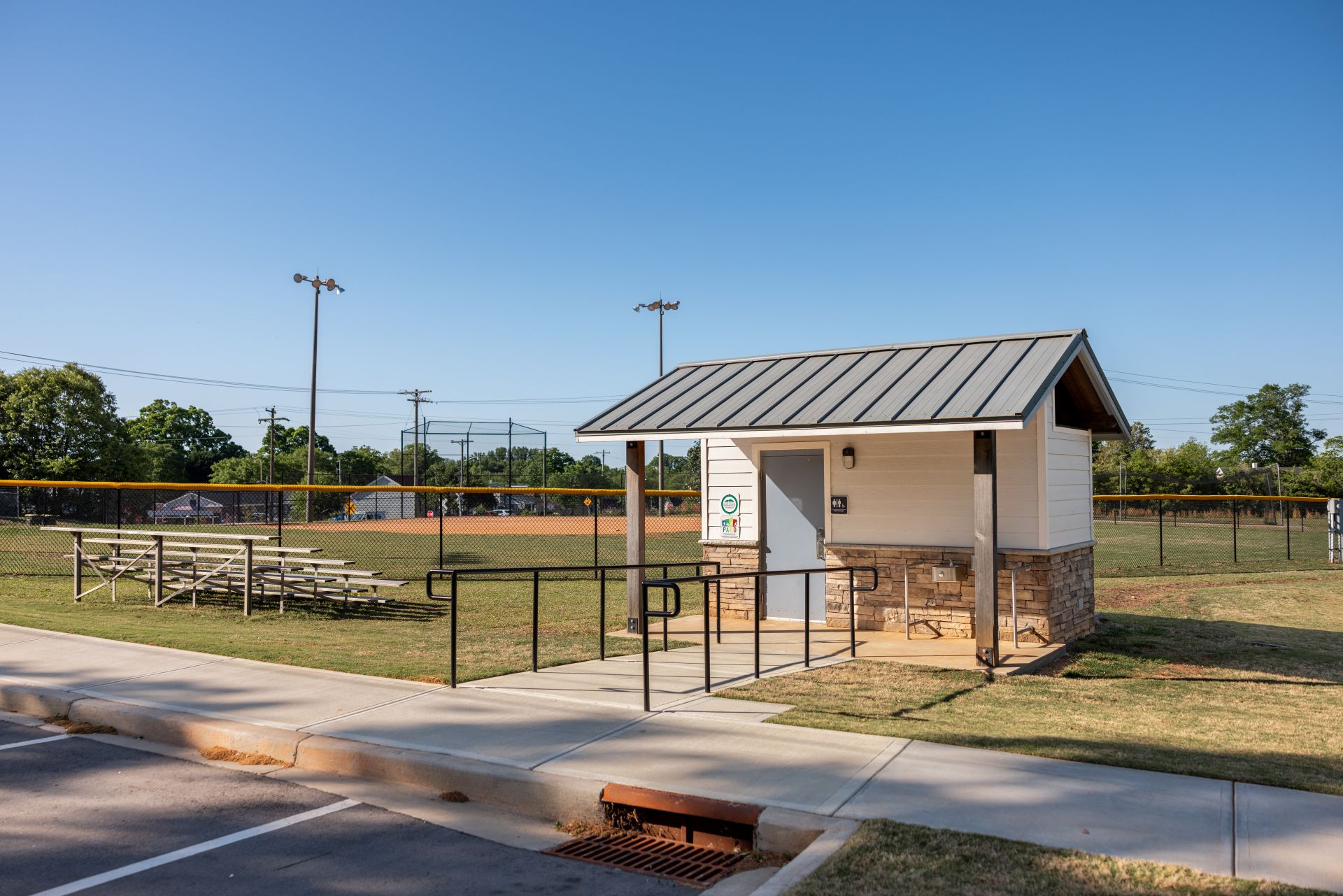
Image credit: romtec.com
The contractor will begin to look over the site. There is a drainage issue at the proposed site. The utility connections could be farther from the site than expected. Delivery vehicles might have trouble reaching the installation site, and the construction configuration could not fit with the space available.
These issues don’t necessarily indicate that the project isn’t able to proceed. But, they could lead to redesigns, additional costs, and delays in construction. Developers and public agencies are able to manage a bathroom project much better if the construction conditions are considered at the beginning.
A drawing of a building doesn’t tell the Whole Story
Before selecting prefabricated park restroom buildings, project teams should understand what the surrounding property can accommodate. The slope of the site as well as the soil and drainage conditions, as well as accessibility to utilities and construction are all factors that can influence the construction process.
A bathroom, for instance, constructed near a playground could require connections to existing sewer and water lines. If the infrastructure in place isn’t in place, or it would be expensive to expand those connections, a new sanitation procedure could be required.
Alongside the relevant codes and accessibility requirements Specific site conditions should be considered when determining the base and position of a structure. The basic layout of an building might appear to be suitable on paper, but it’s going to require significant modifications after taking these particulars into account.
Urban Projects have their own construction constraints
In order to build sidewalk restrooms, you need more than a space that is small. Along sidewalks are underground utilities, pedestrian routes and street furniture. Collaboration with local authorities is typically needed for construction projects.
The placement of a restroom too close to a utility line could be a problem for the foundation or excavation process. Accessibility adds another consideration. The approach to entrance and around should be designed in accordance to the requirements of the time.
Romtec offers customizable ADA-focused single-user restrooms, with choices for sink and door placement. Project teams can plan for public use and also consider physical constraints.
Do you have no sewer Connection? Consider the Alternatives
Remote recreation sites present a different infrastructure challenge. The closest sewer line could be miles away making flush toilets not suitable for remote locations.
When placed in the right locations where they are needed, vault toilets can be an option to use water without. Instead of carrying the wastewater into a sewer system these facilities collect waste and store it in an enclosure that has to be cleaned regularly.
Choosing a vaulted toilet will be a good idea but it will not completely eliminate the need to design your site. The project still requires appropriate ground conditions, as well as safe access for servicing gear, along with adequate ventilation.
Romtec’s Sweet-Smelling Technology (SST) is employed to create water-free vault toilets. This can help control smells by allowing air to circulate. The early selection of a sanitation system can reduce the cost of building modifications.
Construction Coordination begins before delivery
The most common misconception regarding prefabricated constructions is that most project decisions are already made by the manufacturer. In practice there are many things to coordinate, including foundation and site preparation, access to utilities, as well as local approvals. Romtec offers custom-designed building kits, design assistance and other services to help with these projects.
The firm works closely with landscape architects, project owners and contractors to ensure that they match the specifications of construction to site requirements. This is especially beneficial in situations where the bathroom must conform to an existing architectural style or meet unique property conditions.
Asking better questions will help you create a better project
Owners must determine how the utilities will be supplied to the structure, which construction equipment can access the building and what approvals are needed prior to purchasing restrooms.
It is essential to determine what sanitation system is able to handle the anticipated number of guests and if the facility can still be installed without major infrastructure improvements.
These questions might seem less important than choosing architectural or exterior finishes however, they can have a more impact on the project’s costs and timeframe.
Public restrooms that succeed don’t simply complete the project in time. The building, the site infrastructure and the process of construction and the intended usage are all taken into consideration. If those decisions are made early, the finished restroom is more solid in providing the community with a high-quality service.