First wave artificial intelligence showed that the software could comprehend the language of a person, detect patterns and assist people with increasingly complex tasks. The majority of these programs, however relied on sending data to distant servers to process before producing a final result. Cloud computing, even though it accelerated AI adoption, brought problems in terms of the speed of processing and privacy. Also, it added to the cost of infrastructure.
Nowadays, a lot of engineering organizations are moving towards a different approach. Instead of focusing on artificial intelligence as a remote service, they are creating systems that execute much closer to the places where decisions are taken. This trend is driving use of on-device AI which allows applications to respond faster, reduce dependence on external infrastructure and have the highest level of security for sensitive data.
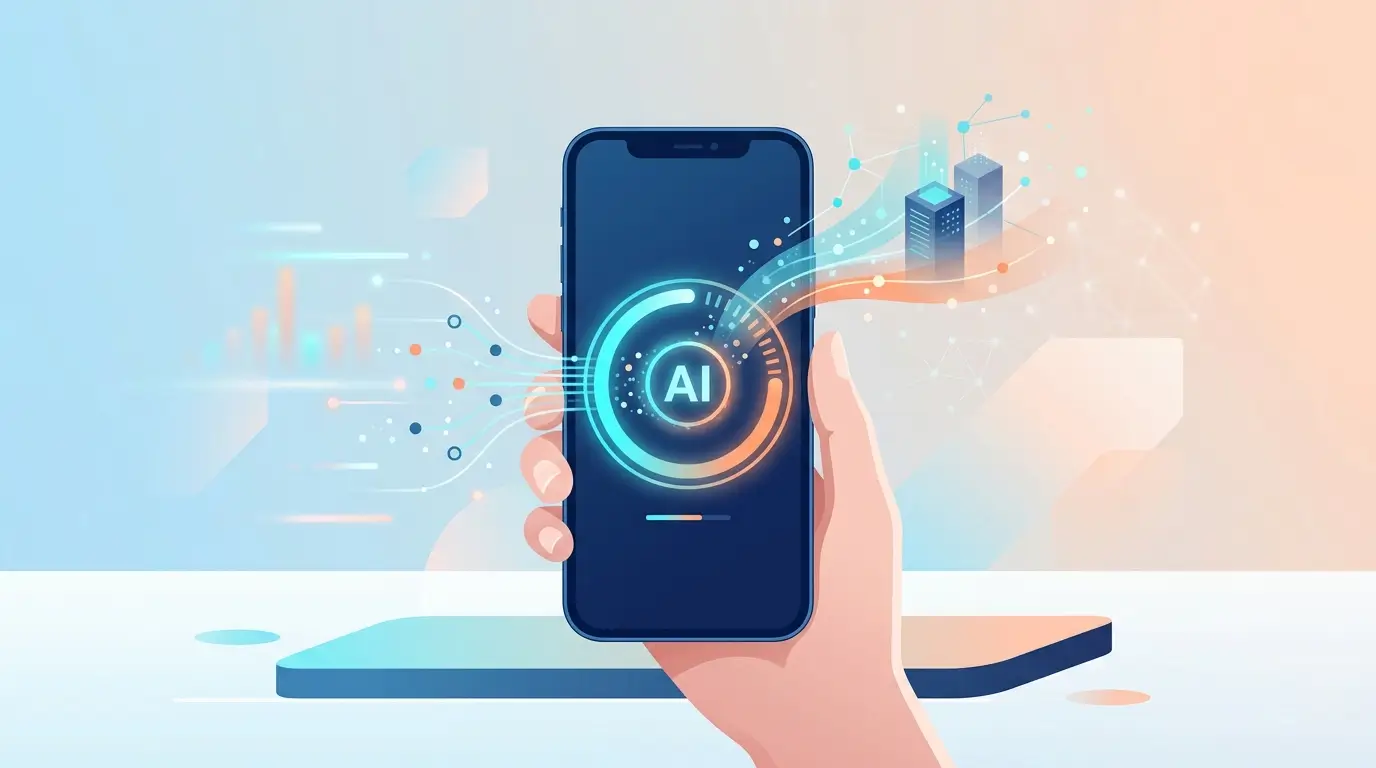
Modern AI infrastructure needs to be developed for real-time workloads
It has been discovered by developers that developing intelligent software is no longer simply about picking the correct language model. The structure that is used to support it is crucial to its performance. Runtime efficiency, observability, deployment flexibility, security and scalability affect whether an AI application performs well in the real world.
This growing complexity has increased demand for stronger AI agent infrastructure capable of supporting autonomous workflows, intelligent decision-making, and persistent execution. Many organizations prefer to use specialized infrastructure that is optimized for their operational needs, rather than general platforms.
Thyn was developed around this concept. Instead of creating a singular AI product The company develops a an engine for runtime that is a foundational component that can support many different specialized products and allows each one to innovate independently. This architectural method lets engineers focus on tackling business issues, instead of rebuilding the main infrastructure.
Better tools help developers build better systems
As AI becomes integrated into software applications developers require more than APIs. They need environments that facilitate deployment tests, monitoring and deployment as well as management of runtime.
Modern AI development tools put more focus on control and transparency. Developers would like to know how AI systems function under production workloads, measure precision of latency, and maximize consumption of resources without sacrificing speed or reliability.
Thyn invests heavily in these engineering foundations by focusing on measurable system performance instead of broad marketing assertions. Research on runtime is considered an essential engineering discipline that will enhance all products that are built in the ecosystem.
Specialized intelligence is more effective than platforms that have one size fits all
There are many different ways that an AI software application works under the exact same conditions. Financial trading, cryptographic apps, marketing automation, embedded software and autonomous systems have distinct performance needs, security models and operational constraints.
Instead of directing every application to use the same infrastructure, Thyn develops dedicated engines specifically designed for specific areas. The products can evolve independently while retaining the advantages of research in architecture.
The same idea is now beginning to affect AI agents for coding. Instead of acting as general-purpose assistants, modern coders are becoming more specialized, helping developers generate code to analyze repositories, perform repetitive engineering tasks and accelerate software delivery, all while remaining integrated into current development workflows.
Building intelligence closer where decisions are made
Artificial intelligence will transcend generating information in the future. In the near future, systems that are successful will be able to assess context, think, make quick decisions, and take action quickly and without delay.
Local intelligence may provide substantial benefits to products that require speed, privacy as well as reliability. On-device AI reduces dependence on network connections decreases latency, and permits applications to operate even if connectivity is not optimal. It enhances user experience, while also giving companies more control over their data and infrastructure.
Similar to that, AI agent infrastructure that can be scaled ensures that intelligent systems are easily observable, manageable, and flexible when demands change.
Thyn offers a brand new approach in software development. It focuses more on building an institutional basis to build intelligent software instead of focusing on individual applications. By combining high-end runtimes, specially designed engines and powerful AI tools for developers, along with the latest AI coder Thyn helps to build an eco-system where AI can be faster, privater, more secure, and more useful to developers creating the next generation of intelligent product.