Surface finishing has transformed from a labour-intensive task into an engineering process that is precision-driven. In the modern manufacturing industry of today, coating quality is directly correlated with the durability, resistance to corrosion, and perception. In order to meet the demands of customers who expect flawless finishes and tightening global standards, many factories have embraced paint robots.
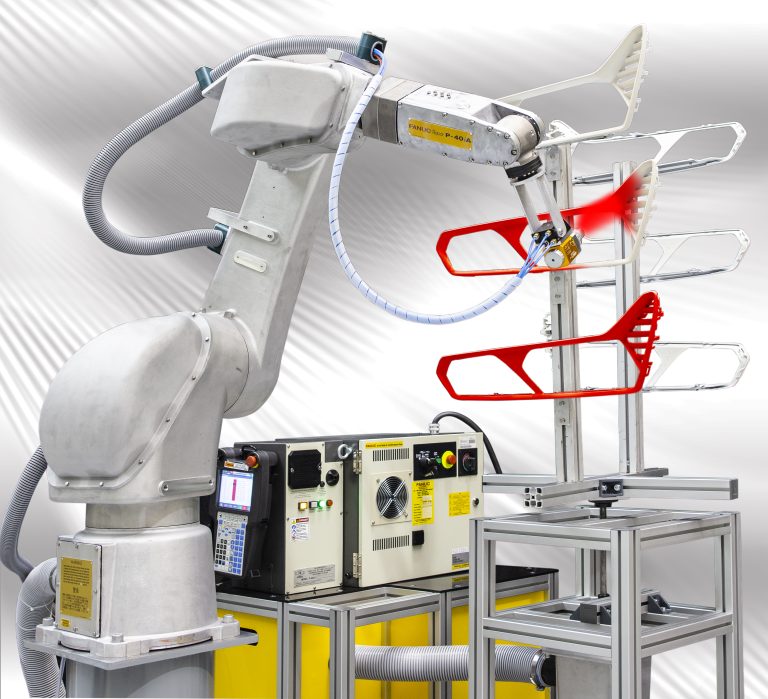
Image credit: automatedsolutions.com.au
A modern paint robot brings structured motion and programmable accuracy to applications that once depended on operator technique. Automating the spray path and angle and speed, eliminates numerous inconsistencies which lead to uneven film construction or excessive material usage. This consistent coating process helps to ensure First Time Quality, and reduces rework.
Consistency and effectiveness are crucial to the measurement of outcomes
Due to fatigue or even small differences in technique, manual painting can result in slight changes in thickness and coverage. Paint robots eliminate this variance by using the same motion patterns in each cycle of production. This type of repeatability allows for a uniform finish on all parts and an optimized distribution of material.
The efficiency of transfer in modern paint systems that use robotics is enhanced. The amount of paint that is sprayed over the surface is lessened when the distance as well as direction between the applicator’s and component are maintained precisely. Reduced material waste directly impacts cost savings, while decreased emissions of volatile organic compounds support the environmental initiatives.
The integrated fluid handling in paint robotics assures precise mixing ratios for multi-component coatings. This eliminates any inconsistentities that could weaken the integrity of the finish. The combination of steady flow control and variable parameters allows producers to fine-tune the atomisation settings and patterns in real-time without interfering with production.
Productivity and safer workplaces
The higher uptime is one major advantage of using an automated paint system. As opposed to manual processes, robot paint cells operate continuously with minimal interruption. After they are programmed they produce an even output, without breaks or constant surveillance.
When handling solvent-based two-component coatings safety considerations are critical. Paint atomized may create hazardous surroundings, particularly when working with materials that are flammable or reactant. Modern paint robots are designed to operate safely in challenging environments, which helps reduce exposure to hazardous substances as well as raising safety standards in workplaces.
Conveyor tracking technology further strengthens productivity by enabling robotic paint application while components remain in motion. This increases the effectiveness of the working envelope and keeps production lines operating efficiently.
Australian Automation Expertise Supporting Industry
Access to automation partners with experience is vital for those who wish to modernize finishing processes. In Australia, Automated Solutions has gained a reputation of the provision of high-end robotic integration services. The team has vast experience in automation engineering, and is certified as FANUC robot integration specialists. They aid businesses in the implementation of robotic paint solutions tailored to their needs.
Automated Solutions combines technical expertise as well as practical experience from the industry to aid manufacturers in evaluating current processes and designing robotic paint cells that are optimized. Facilities can gain an understanding of the performance improvement process through collaboration, simulation and system integration.
The adoption of paint robots isn’t only an issue of automation. It’s about measurable improvement in quality, efficiency and safety. Paint robots that are designed correctly can transform the process of finishing surfaces into a repeatable, effective and controlled process. The support of automation specialists will assist manufacturers in improving their competitiveness and assure long-term growth in a demanding market.